

In 2026, the Airbnb algorithm ranks your listing based on whether guests actually book it, not just whether it looks attractive. That single shift changes everything for Perth hosts. If you understand the specific ranking signals, you can take targeted weekly actions to stay visible and competitive in the Western Australian market.
This guide breaks down the Airbnb algorithm 2026 Australia update in plain language. It covers what changed, which signals matter most, and what you can do this week to improve your search position.
What Changed in 2026: Airbnb’s Shift to a Conversion-Based Ranking Model

For years, Airbnb’s search algorithm rewarded listings that looked good. Beautiful photos, complete descriptions, and polished profiles earned higher placement. That model favoured presentation over performance.
The 2026 update changed the core logic. According to Rakidzich’s 2026 Airbnb listing optimisation analysis, the algorithm now weights conversion signals most heavily. A conversion signal is a measurable action a guest takes, such as clicking your listing, sending an enquiry, or completing a booking.
This means a beautifully styled Perth property can still rank poorly. If guests scroll past your listing, or click and leave without booking, the algorithm reads that as a negative signal. It pushes your listing lower in results and shows it to fewer people.
The core ranking pillars the algorithm now measures are:
- Conversion signals: click-through rate (CTR) and booking probability
- Quality signals: guest satisfaction scores and listing accuracy
- Platform compliance signals: response rate and calendar freshness
The rest of this article unpacks each one and gives you concrete actions to improve them.
The Core Ranking Signals Every Perth Host Needs to Understand
Airbnb does not publish its algorithm openly. But through platform guidance, host community data, and independent research, the key ranking inputs are well understood. Think of them in three groups.
Conversion Signals (Click-Through Rate and Booking Probability)
CTR measures how often guests click your listing after seeing it in search results. Booking probability measures how often those clicks lead to a confirmed reservation. Both are direct behavioural signals and both carry significant weight in the 2026 model.
The PriceLabs listing optimiser checklist identifies CTR, response rate, and booking probability as core ranked inputs. If your listing gets few clicks, or guests click and leave quickly, the algorithm interprets this as a sign that your listing is not meeting guest expectations.
Improving these signals means improving your cover photo, your title, your pricing, and your response time. Each of those levers is covered below.
Quality Signals (Guest Satisfaction and Accuracy Scores)
Overall star ratings feed the algorithm’s quality assessment. So do individual category scores, especially the accuracy score. Accuracy reflects whether your listing delivers what it promises.
If a guest arrives expecting a fast Wi-Fi connection and finds a slow one, that gap shows up in their review. Enough of those gaps, and your accuracy score drops. A lower accuracy score reduces your ranking, even if your overall rating stays above 4.8.
Guest review sentiment also matters. The algorithm can detect patterns in written reviews. Repeated mentions of a specific issue carry weight even if the guest still gave you a 5-star rating overall.
Platform Compliance Signals (Response Rate and Calendar Freshness)
Response rate measures how consistently and quickly you reply to guest enquiries. Calendar freshness measures how recently you updated your availability and pricing. Together, these signals tell the algorithm that you are an active, reliable host.
These are the signals most likely to slip for Perth hosts who are also working full-time. A week away from your phone, a busy period at work, or a holiday can quietly erode your response rate and calendar activity. The algorithm notices.
Click-Through Rate: Why Your Listing Photos and Title Matter More Than Ever
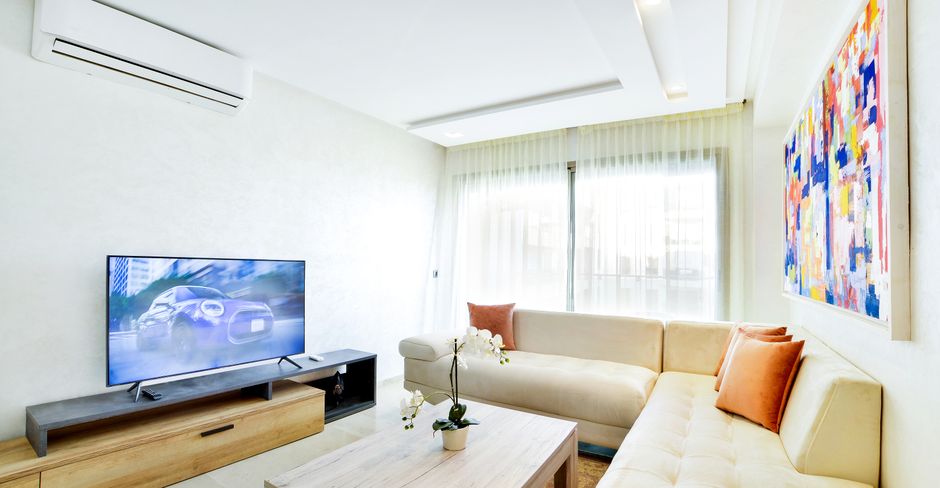
CTR is one of the earliest and strongest conversion signals. The algorithm begins judging your listing’s performance before a guest even reads your description. If your cover photo or title does not stop a guest mid-scroll, nothing else gets a chance.
Airbnb’s official Resource Centre guidance on listing titles confirms that titles are a platform-endorsed best practice signal. A strong title highlights a specific, compelling feature of your property. It does not waste words on generic phrases like “cosy home” or “beautiful apartment.”
For Perth hosts, Airbnb listing optimisation Australia means being specific about what makes your property worth clicking. “Ocean views 5 min to Cottesloe Beach” outperforms “Charming home near the beach” every time.
Your photo order also matters. Airbnb allows guests to swipe through photos in search results. If your second or third photo is stronger than your first, consider reordering. The cover photo should show your best angle in the best light.
Professional presentation directly feeds CTR and therefore your search visibility. If your property has never had a professional shoot, it is worth considering. Strong visual presentation is one of the fastest ways to lift your click-through rate and signal quality to the algorithm from the first impression.
What Perth Listings Can Do Right Now to Improve CTR
Here are four actions you can take this week:
- Open Airbnb search for your suburb and compare your cover photo to the three listings above and below yours. If yours is the least compelling, change it.
- Rewrite your title to include a standout feature and a location reference that Perth guests recognise. Aim for 50 characters or fewer.
- Check that every photo has a caption. Airbnb uses captions as a listing quality signal, and most hosts skip them.
- Remove any photos that are dark, cluttered, or out of date.
The 8 to 9 Amenity Rule: How Amenity Optimisation Affects Your Ranking

Research supports a specific finding about amenities: listings with 8 to 9 well-chosen amenities outperform both under-equipped listings and listings that pile on every minor item they can think of. More is not always better.
The logic is straightforward. An exhaustive amenity list that includes items like “safety card” or “extra pillows” alongside essentials like air conditioning and Wi-Fi dilutes the signal. It also risks attracting guests who expect every minor item to be in perfect condition.
For Perth’s market, the amenities that carry the most weight are:
- Air conditioning (non-negotiable for WA summers, especially December to February)
- Fast, reliable Wi-Fi (important for remote workers, a growing guest segment in Perth)
- Outdoor areas (a covered patio or alfresco space suits Perth’s lifestyle and climate)
- Dedicated parking (especially relevant in inner-city suburbs like Northbridge and Fremantle)
- A fully equipped kitchen (particularly valued by longer-stay guests)
You can use our short-term rental features and amenities checklist as a companion tool when you audit your own listing.
Auditing Your Amenity List for the Perth Market
Work through this simple process:
- Open your listing and export or note every amenity you have listed.
- Search for three to five comparable Perth properties with strong review counts. Note what they list.
- Identify any gaps between what they offer and what you have listed or actually provide.
- Remove amenities that are trivial, obvious, or likely to attract guest complaints if they are less than perfect.
- Add genuine amenities that Perth guests value, and make sure they are accurate.
This audit takes about 30 minutes and can directly improve both your search ranking and your accuracy score.
Superhost Status and Why the Algorithm Rewards It in 2026
Superhost status is a verified trust signal. The algorithm uses it to favour listings in search results, especially when guests filter by Superhost. For Perth hosts, achieving and maintaining Superhost is one of the most consistent ranking advantages available.
The four criteria are:
- An overall rating of 4.8 or above
- A response rate of 90% or above
- A completion rate of 100% (no host-initiated cancellations)
- A minimum of 10 stays or 100 nights hosted per year
Airbnb assesses Superhost status quarterly. If your metrics drop below the thresholds in any quarter, you lose the badge until you meet them again. According to AirDNA’s analysis of Airbnb SEO ranking factors, Superhost status is a measurable ranking input, not just a cosmetic badge.
The Superhost status algorithm effectively rewards hosts who are consistently good, not just occasionally great.
Practical Steps to Achieve and Maintain Superhost in Perth
Response rate is the most manageable criterion. Set up Airbnb’s instant response templates for common questions. Turn on push notifications. Aim to respond within an hour during peak enquiry periods.
Completion rate requires protecting your calendar carefully. Avoid booking windows that create unrealistic turnaround times. If you use a cleaner, confirm their availability before accepting bookings close to other stays.
For consistent 5-star reviews, the two biggest drivers are accurate listings and clear communication. If your listing promises a sparkling pool and it is a small above-ground tub, guests will reflect that in their review. Set accurate expectations before arrival, and send a brief pre-arrival message covering parking, check-in, and any quirks of the property.
Perth’s summer peak from December to February and major events like the Perth Festival and Fringe World increase booking volumes sharply. More bookings mean more reviews and more chances to lift your rating. Plan your hosting schedule around these periods.
Calendar Freshness and Pricing Signals: The Weekly Habits That Move Rankings

Airbnb interprets regular calendar updates as a signal that a host is engaged. When you update your availability, adjust a price, or change a minimum stay, the algorithm registers that your listing is actively managed. Listings that go weeks without any changes are treated as less reliable.
This is sometimes called “calendar freshness.” Even a small adjustment, such as opening or closing a single night, can reset the activity signal. You do not need to make dramatic changes each week.
Pricing also feeds into booking probability. A listing priced well above comparable Perth properties will see lower conversion, which the algorithm reads as a negative signal. Competitive, dynamic pricing that reflects local demand patterns is a core 2026 ranking input, not just a revenue strategy.
A Simple Weekly Checklist for Perth Hosts
This routine takes about 15 to 20 minutes and covers the main algorithm signals:
- Review your calendar and make at least one small update to availability or pricing
- Check your response rate in the Airbnb dashboard and reply to any outstanding messages
- Compare your nightly rate to three nearby Perth listings for the next four weeks
- Choose one listing element to review: a photo, a description paragraph, or your amenity list
Repeat this every week. The hosts who maintain these habits consistently outrank those who do only occasional bulk updates.
Perth Seasonal Demand Patterns and How to Use Them
Perth’s demand peaks are predictable. Use them to your advantage:
- December to February: beach season drives strong demand across coastal suburbs from Scarborough to Rockingham. Raise pricing and extend your availability window early.
- April and September to October school holidays: family travel surges. Highlight family-friendly amenities in your title and description.
- Perth Festival (February) and Fringe World (January to February): inner-city and near-city properties see a sharp spike in enquiries. Update your calendar and pricing at least six weeks ahead.
- AFL season (March to September): interstate visitors attending games at Optus Stadium book Vic Park and East Perth properties heavily.
Updating your pricing and availability ahead of these peaks sends strong engagement signals to the algorithm while also capturing higher nightly rates.
Accuracy Scores and Guest Satisfaction: The Algorithm’s Long-Term Memory
Accuracy scores and overall ratings build up over time. They form a persistent quality signal that the algorithm references even when your short-term conversion signals fluctuate. A strong accuracy score protects your ranking during slow periods. A weak one can drag it down even during busy seasons.
The connection is direct: when your listing promises something your property does not deliver, guests mention it. Enough mentions of the same gap, and your accuracy score drops. The algorithm remembers.
Over-promising is one of the most common and most damaging errors Perth hosts make. A photo taken in the golden hour that makes a small courtyard look like a resort terrace will disappoint guests. A description that calls a 25-minute drive to the CBD “central” will generate complaints.
How to Close the Gap Between Listing Promise and Guest Experience
Follow these steps to audit your listing accuracy:
- Read your own listing description as if you were a first-time visitor. Note anything that is outdated, exaggerated, or unclear.
- Compare your current photos to the current state of the property. If you have repainted, re-furnished, or renovated, update the photos.
- Check every amenity claim. If you list fast Wi-Fi, run a speed test and make sure the result meets a reasonable guest expectation.
- Update your house manual and pre-arrival message to set clear expectations about parking, noise, check-in times, and any known limitations.
Host-verified observations in the Airbnb Community forum confirm that accuracy score drops are one of the most consistent triggers for ranking declines, often before hosts notice a change in their overall rating.
Too Busy to Keep Up? Why Perth Hosts Are Handing Algorithm Management to the Professionals
The 2026 algorithm rewards consistency. Not occasional effort, but regular, weekly attention to a specific set of signals: calendar freshness, response rate, pricing, photo quality, and listing accuracy. Each signal is manageable on its own. Together, they add up to a meaningful ongoing workload.
For the 83% of Australian hosts who are also working full-time, that consistency is the hardest part. A busy week at work, a family commitment, or a holiday can let your response rate slip, your calendar go stale, and your pricing fall behind local competitors. The algorithm notices all of it.
A professional short-term rental management service maintains each of these signals as a standard part of the service. Sepal Stays operates specifically in the Perth market. That means local knowledge of WA demand patterns, awareness of Western Australian compliance requirements, and operational systems built to keep every ranking signal active every week.
If you want to stay visible in Perth search results without managing the algorithm yourself, Perth hosts are increasingly choosing professional management to maintain consistent ranking signals.
To find out what consistent Airbnb management could mean for your property’s visibility and revenue, fill in our contact form or visit Sepal Stays to learn more about how we work.
Frequently Asked Questions
How does the Airbnb algorithm work in Australia in 2026?
The Airbnb algorithm 2026 Australia update shifted to a conversion-based model. It now ranks listings based on measurable guest actions: whether guests click your listing, enquire, and book. Hosts who maintain high response rates, consistent calendar activity, accurate listings, and strong review scores are rewarded with higher search placement.
Does Superhost status actually improve your Airbnb ranking?
Yes. Superhost status is a verified trust signal that Airbnb’s algorithm uses to favour listings in search results. The criteria include a 4.8 or above overall rating, a 90% or above response rate, and a 100% completion rate. Meeting and maintaining these thresholds gives Perth hosts a measurable ranking advantage, especially when guests filter search results by Superhost.
How many amenities should I list on my Airbnb in Perth?
Research supports listing 8 to 9 well-chosen, relevant amenities rather than an exhaustive list of minor items. For Perth guests, the amenities that carry most weight are air conditioning, fast Wi-Fi, outdoor spaces, dedicated parking, and a fully equipped kitchen. Focus on what is genuinely useful and accurately described.
How often should I update my Airbnb calendar to help my ranking?
Updating your calendar at least once a week sends a calendar freshness signal to the algorithm. Even a minor change to a nightly price or an availability window counts as engagement activity. Listings that go several weeks without any updates are treated as less actively managed and can drop in search placement.
Why is my Airbnb listing not showing up in Perth search results?
Low visibility in Perth search results is most commonly caused by a low response rate, infrequent calendar updates, a below-average accuracy score, or a cover photo with poor click-through performance. Work through each of these signals in sequence. Start with your response rate and calendar, then review your cover photo and listing accuracy.
Is it worth using a property manager to improve my Airbnb ranking in Perth?
For hosts managing hosting alongside full-time work, a local Perth property manager can maintain the weekly optimisation habits the 2026 algorithm rewards. These include response rate management, calendar freshness, dynamic pricing, and listing accuracy. Consistent management removes the risk of ranking drops during busy personal periods and keeps your property competitive year-round.