
What Is a Short-Term Rental and How Does It Work? A Guide for Perth Property Owners
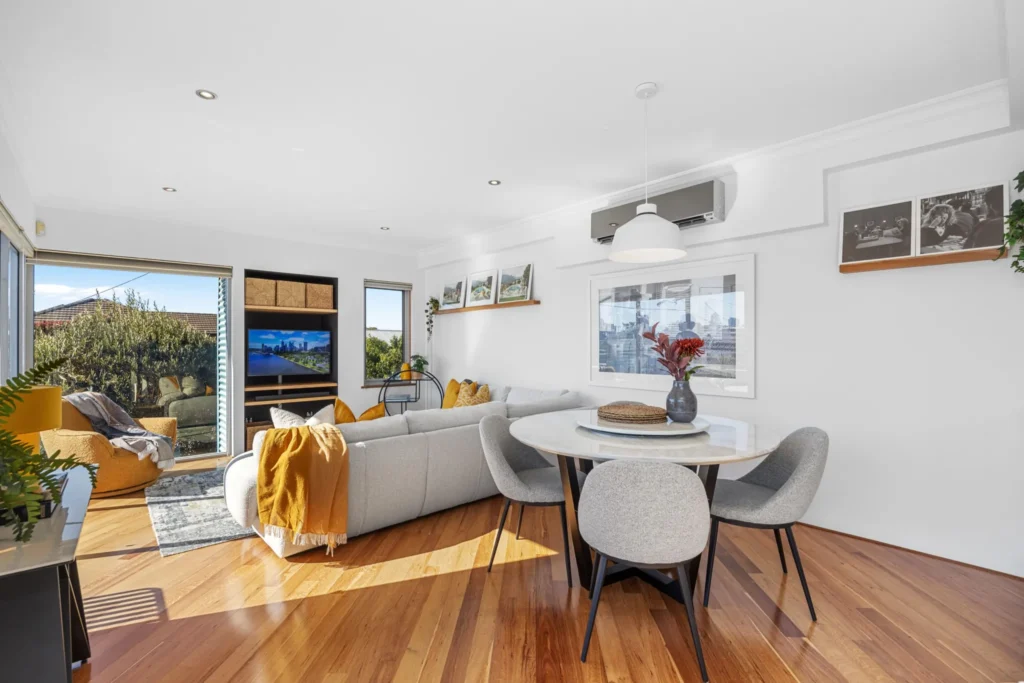
A short-term rental is a furnished home or apartment rented to guests for anything from one night to around three months, usually through platforms such as Airbnb, Stayz and Booking.com. In Western Australia, every short-term rental must be on the state’s Short-Term Rental Accommodation (STRA) Register, and unhosted properties in Perth rented for more than 90 nights a year need council development approval.
Run well, a short-term rental can earn more than a long-term lease. It also asks more of the owner: compliance, guest care, cleaning, maintenance and careful record-keeping.
What is a short-term rental?
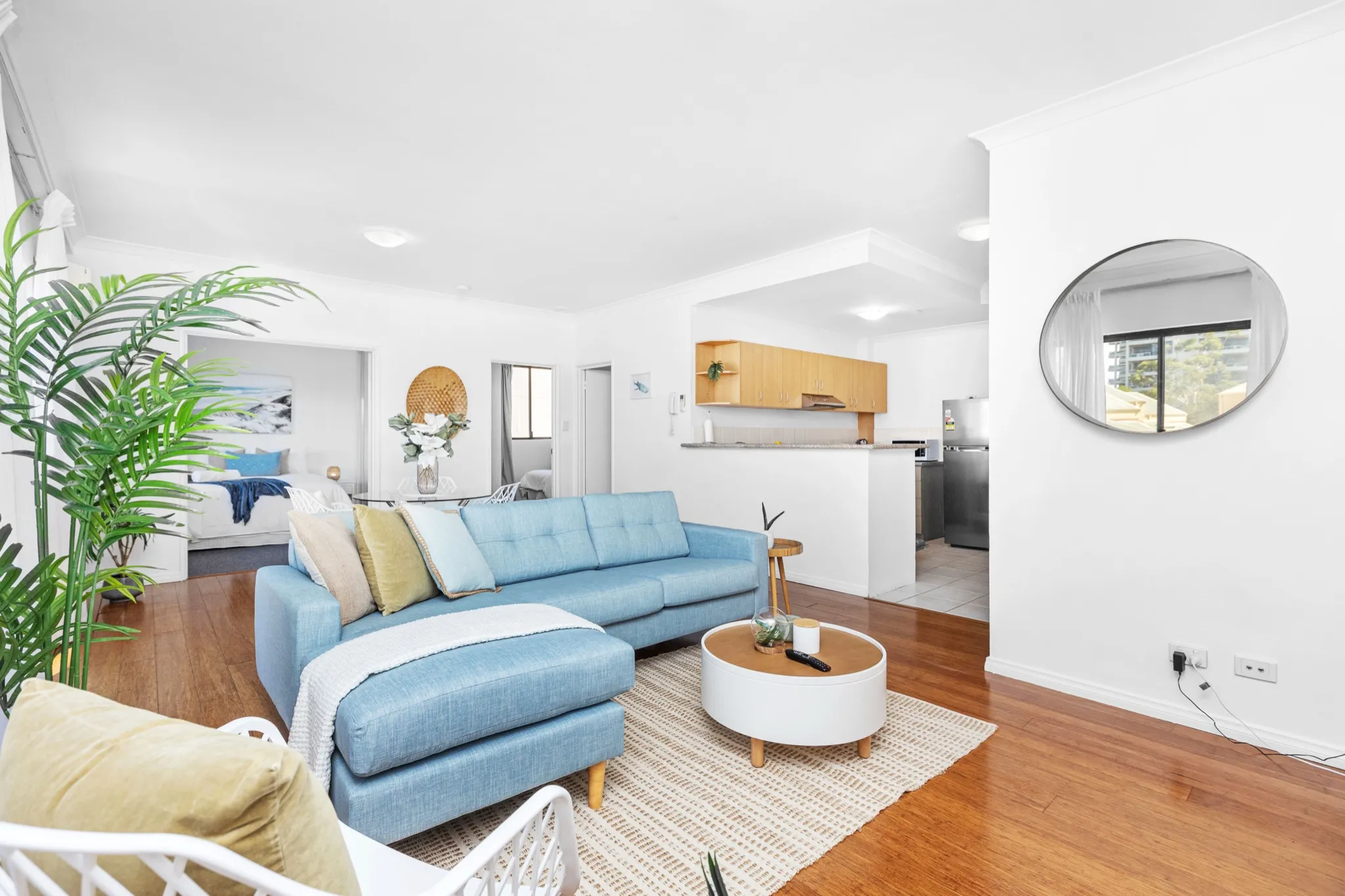
Short-term rentals are residential homes and apartments let to guests for short periods, from a single night up to around three months. Guests find and book them through online travel platforms, including:
- Airbnb
- Stayz (Vrbo)
- Booking.com and Expedia
- Marriott Bonvoy Homes & Villas
- Travel Station
- Google Vacation Rentals
Guests include holidaymakers, business travellers on interstate projects, families relocating to Perth and remote workers between homes.
Getting a listing live is the easy part. After that, every booking needs guest messages and vetting, cleaning and fresh linen after checkout, and a nightly price that follows demand. The bins still go out, the garden still needs mowing, repairs come up, the compliance paperwork has to stay current, and your accountant needs proper records at tax time. That workload is why many owners hire a professional manager.
At Sepal Stays, we set up and manage investment properties across the Perth metro area. We handle the guests, cleaning and upkeep, and we price and maintain each property for how it will perform over several years.
Is it legal to run a short-term rental in WA?
Yes. Short-term rentals are legal in Western Australia, but they’re regulated by both the State Government and your local council. Other states have their own rules, so the points below apply to WA properties.
Register with the STRA Register
Since 1 January 2025, every short-term rental in WA, hosted or unhosted, must be registered before it’s advertised. Registration costs $250, then $100 to renew each year, and your registration number must appear on every listing. Advertising an unregistered property can attract fines of up to $20,000 for individuals and $100,000 for corporations.
Check council planning rules
In the Perth metropolitan area, an unhosted property (one you don’t live in) rented for more than 90 nights in a 12-month period needs development approval from your local government. From 1 January 2026, properties must meet these planning requirements to stay registered. Hosted short-term rentals don’t need planning approval, and regional councils set their own thresholds.
Before you list, also make sure you:
- Meet fire safety, smoke alarm and building safety requirements
- Check your strata by-laws and notify your strata company if the property is in a strata scheme
- Confirm your insurance covers short-term rental use (see Insurance)
Benefits and risks of short-term rentals

Benefits
- Nightly rates can earn more than a long-term lease, particularly near the CBD, the coast and major attractions.
- With Sepal Stays, you can block out dates and use the property yourself.
- Many running costs may be claimable against the rental income.
- Demand comes from more than one group: tourists, business travellers, relocating families and remote workers all book short-term rentals.
Risks
- Bookings drop in quieter months, and how far they drop depends on the location.
- Cleaning, linen, utilities and platform fees add up faster than with a long-term lease.
- Frequent turnovers and the occasional careless guest wear the property faster.
- State and council rules can change, as they did when the STRA Register started in 2025.
Most of these risks can be managed. Prices that follow demand soften the quiet months, guest vetting filters out most problem bookings, and small repairs done early don’t turn into a bad review.
How to start a short-term rental
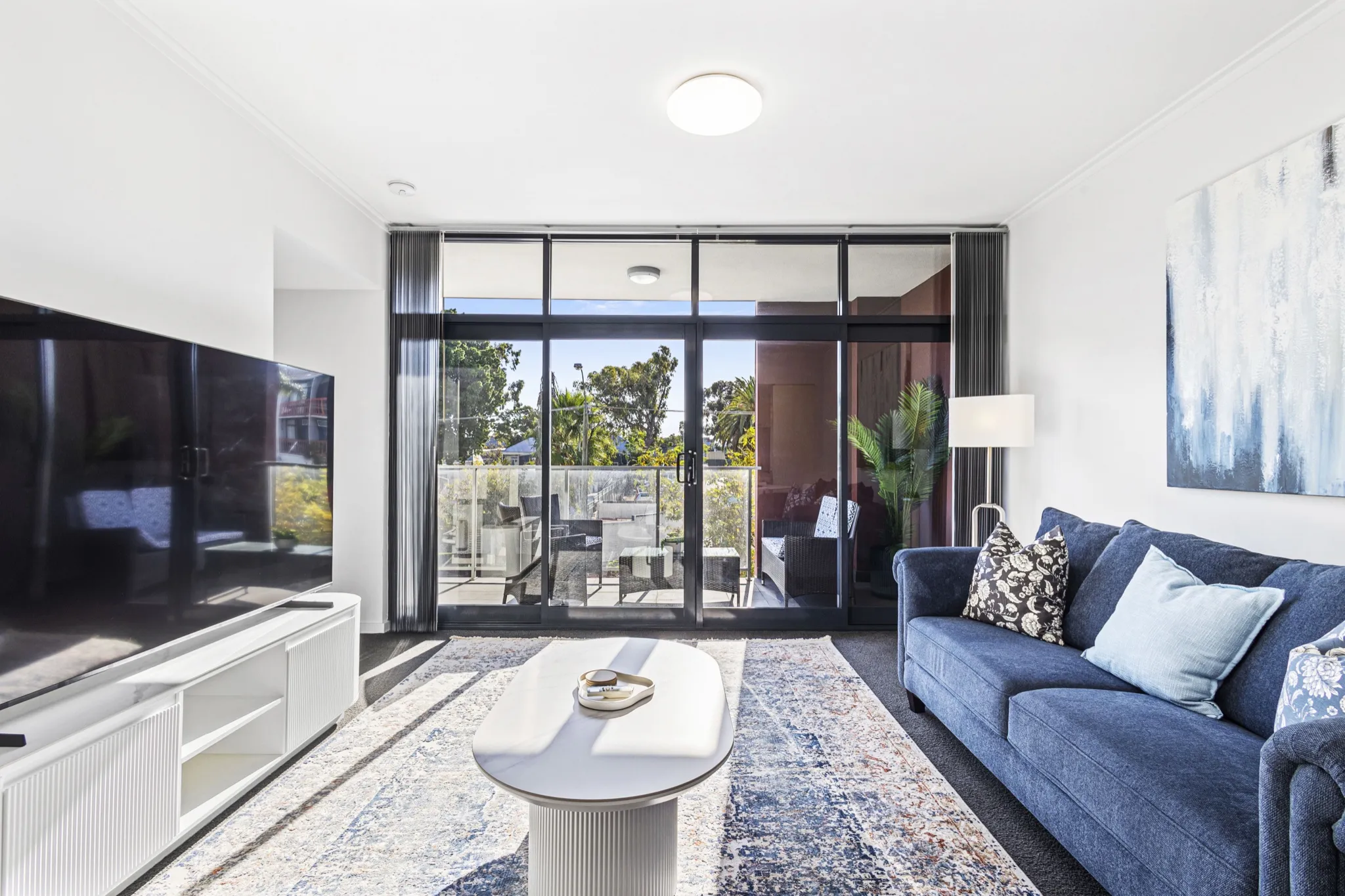
1. Choose the right property
Look at location, proximity to attractions, public transport and local amenities. Properties in the CBD, coastal suburbs and tourist areas usually earn the most. Decide whether you’ll use a property you already own or buy one specifically for short-term rental.
2. Confirm council and strata rules
Check whether you’ll need development approval, what your council’s local requirements are, and whether your strata by-laws allow short-term rentals.
3. Set up the property for guests
Furnish with durable, easy-to-clean pieces. The essentials:
- Commercial-grade bedding and towels
- A well-equipped kitchen and reliable appliances
- Fast, reliable wi-fi and entertainment
- Working smoke alarms
- Secure entry with quality locks
A smart lock lets guests check themselves in at any hour. Noise-monitoring devices flag a party early, before it damages the property or upsets the neighbours.
4. Open a separate bank account
Sepal Stays recommends running all rental income and expenses through a dedicated account. Your bookkeeping stays separate from personal spending, and your accountant has one statement to work from at tax time.
5. Register and list
Register on the STRA Register, then get professional photography and listing copy done before you go live. Guests decide from the search results whether to click, and the first photo is most of what they see there.
Costs to budget for
Upfront costs
- Furniture and property set-up
- Professional photography and listing copy
- Specialist short-term rental insurance
- STRA registration, legal and business set-up costs
Ongoing costs
- Electricity, gas, water and internet
- Cleaning and linen
- Repairs and maintenance
- Platform commissions and management fees
- Insurance premiums
- Annual STRA registration and council fees
Income tax and deductions
All short-term rental income is taxable and must be declared in your individual or entity tax return. Your net profit (income minus allowable deductions) is added to your taxable income and taxed at your marginal rate, or at the company rate if the property is owned by a company.
Common deductions
Expenses you may be able to claim include:
- Cleaning and linen services
- Repairs and maintenance
- Depreciation on furniture, fittings, appliances and the building itself
- Mortgage interest (on the portion used to produce income)
- Water, electricity, gas and internet
- Property and landlord insurance
- Council rates and strata fees
- Platform service fees and commissions
- Advertising and professional photography
- Accounting and tax advice
- Property management fees
Using the property yourself? Under the ATO’s holiday home guidance, expenses must be apportioned for any private use. If the property isn’t mainly used to earn rent, ownership costs such as interest, rates and repairs may not be deductible at all. Talk to your accountant before blocking out personal stays.
This section is general information only, not tax advice. Your accountant can advise on your circumstances.
Insurance for short-term rentals
Standard home and contents or landlord insurance usually doesn’t cover short-term rental use. Look for:
- Specialist short-term rental insurance that covers guest stays, damage and loss of income
- Public liability cover for injuries guests may sustain on the property
Platform guarantees such as Airbnb’s AirCover aren’t a substitute for your own policy, so check what yours covers before the first guest arrives.
Thinking about a short-term rental for your Perth property?
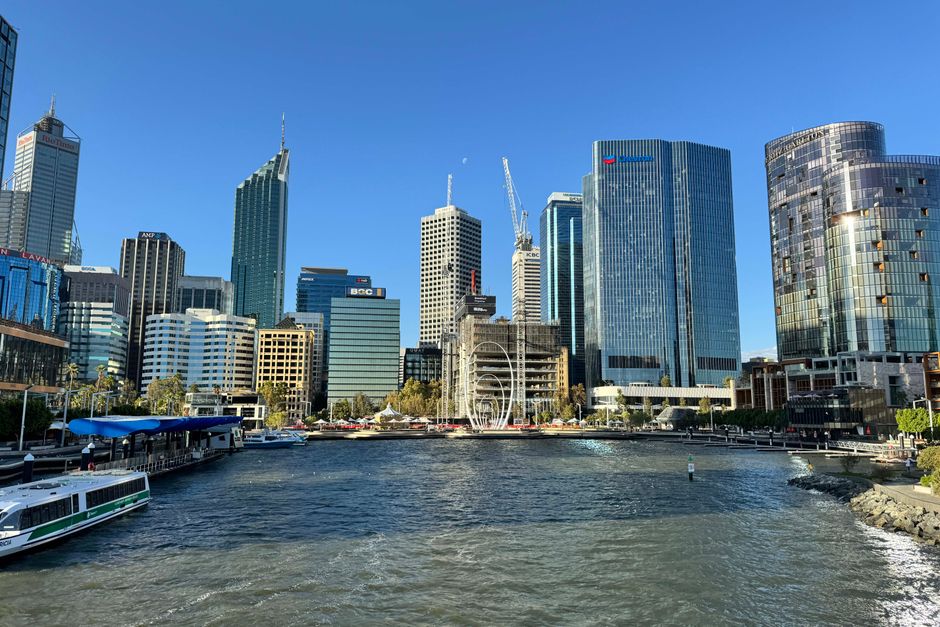
Our team can estimate what your property could earn, then handle the set-up, compliance, guests and maintenance for you.
Get a free earnings estimate through the contact form.
Peace of mind. Every stay, every time.
Frequently asked questions
How long is a short-term rental stay?
A short-term rental is generally a furnished property let for anywhere from one night up to around three months. Longer stays usually fall under a standard residential tenancy agreement.
Do I need to register my Airbnb in WA?
Yes. Since 1 January 2025, every short-term rental in WA, hosted or unhosted, must be on the STRA Register before it’s advertised, and the registration number must appear on every listing.
Do I need council approval to run an Airbnb in Perth?
If the property is unhosted and rented for more than 90 nights in a 12-month period in the Perth metro area, you need development approval from your local government. Hosted short-term rentals don’t need planning approval.
Is short-term rental income taxable in Australia?
Yes. All income must be declared in your individual or entity tax return. Net profit is taxed at your marginal rate, or the company rate if a company owns the property.
Can I stay in my own short-term rental property?
Yes, you can block out dates for personal use. Expenses must be apportioned for private use, and if the property isn’t mainly used to earn rent some ownership costs may not be deductible, so check with your accountant first.
What does a short-term rental manager do?
A manager handles listings across platforms, pricing, guest communication and vetting, cleaning and linen, maintenance, compliance and owner reporting. Sepal Stays manages short-term rentals across the Perth metro area, with an owner portal so you can see how your property is performing.