
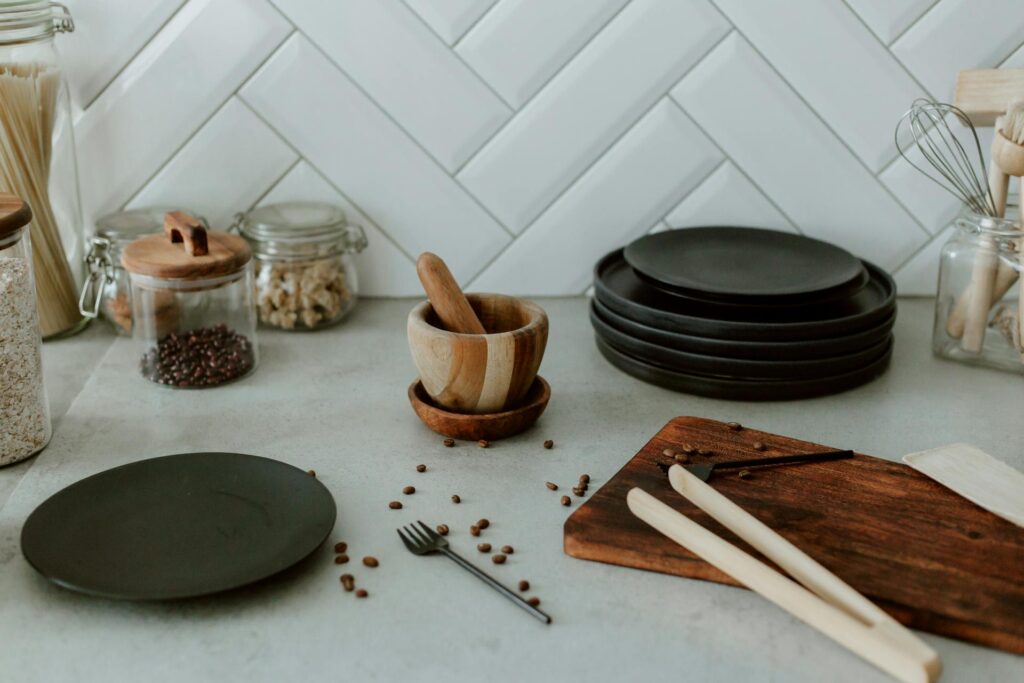
A well-equipped kitchen is one of the biggest advantages an Airbnb or short-term rental has over a hotel room. Families, business travellers, FIFO workers, relocation guests and longer-stay visitors often choose short-term accommodation because they want the option to cook, store groceries, make coffee and eat together.
If your listing says it has a kitchen, guests expect it to be practical, clean and easy to use. A few plates and one old frying pan are not enough. The kitchen should support the number of guests the property sleeps, with enough cookware, tableware, appliances and cleaning supplies for a normal stay.
At Sepal Stays, we see kitchen setup as part of the overall guest experience. It supports better reviews, helps the property feel like a true home away from home, and sits alongside styling, cleaning, maintenance and communication as part of professional Perth Airbnb management.
Why Your Airbnb Kitchen Matters
Guests do not book a short-term rental only for a bed. They book space, flexibility and convenience. A kitchen gives them the ability to make breakfast before a day out, prepare meals for children, manage dietary needs, save money on restaurants and settle in for a longer stay.
This is why kitchen setup appears alongside other important amenities in a strong short-term rental. In our guide to what makes a great Airbnb, kitchen equipment is one of the practical features that helps a property feel more complete than a basic hotel room.
Airbnb also advises hosts to accurately represent available amenities, including kitchens, in the listing. Its ground rules for hosts cover listing accuracy and amenities, and Airbnb’s list of essential amenities treats basic kitchen items as part of a complete guest setup. In practice, this means guests should find what the listing promises when they arrive.
The goal is simple: if the property sleeps six, six guests should be able to cook, eat, clean up and store leftovers without frustration.
Short-Term Rental Kitchen Essentials at a Glance
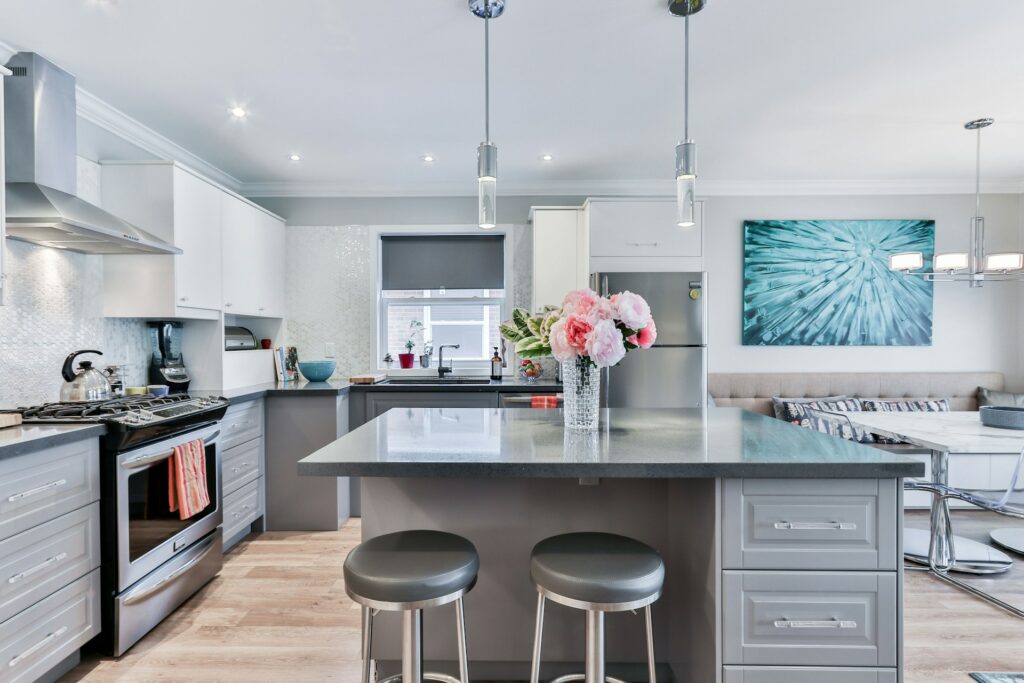
A good short-term rental kitchen should include:
- durable cookware
- sharp knives and safe chopping boards
- practical cooking utensils
- enough plates, bowls, mugs, glasses and cutlery
- core appliances such as a fridge, oven, microwave, toaster and kettle
- a coffee machine or coffee-making option
- cleaning supplies and bin liners
- basic pantry items such as salt, pepper, cooking oil, tea and coffee
- containers for leftovers
- clear storage so guests can find what they need
Do not treat the kitchen as a place to use up old items from home. Chipped dinnerware, mismatched glasses, scratched non-stick pans and blunt knives make the property feel uncared for. Spending a little more on durable, matching, easy-to-clean items usually pays off through better guest experience and less replacement stress.
Recommended Quantities for Airbnb Kitchens
As a general rule, stock at least 1.5 times the maximum guest capacity for everyday dining items. This gives guests enough for meals, drinks and a few items in the dishwasher or sink.
| Item | Recommended Quantity |
|---|---|
| Dinner plates | 1.5x maximum guest capacity |
| Side plates | 1.5x maximum guest capacity |
| Bowls | 1.5x maximum guest capacity |
| Mugs | 1.5x maximum guest capacity |
| Water glasses | 1.5x maximum guest capacity |
| Wine glasses | 1 per adult guest plus spares |
| Cutlery sets | 1.5x maximum guest capacity |
| Frying pans | 2 sizes |
| Saucepans | 2 to 3 with lids |
| Chopping boards | Minimum 2 |
| Tea towels | 2 to 4 per property, rotated between stays |
| Food storage containers | 4 to 8 pieces |
For larger family homes, add more serving dishes, salad bowls and oven trays. A property that sleeps eight or ten guests needs to support shared meals, not just individual snacks.
Cooking and Prep Essentials
Cooking equipment should be sturdy, simple and replaceable. Avoid delicate or expensive specialty items that are hard to clean or easy to damage.
Every Airbnb kitchen should include:
- small and large non-stick frying pans
- a non-stick skillet for eggs and delicate items
- medium and large saucepans with lids
- a large stock pot
- baking sheets or oven trays
- a baking dish or casserole dish
- cake pan or simple baking tin
- colander
- mixing bowls
- salad bowl and salad servers
- serving bowls or platters
Prep tools are just as important as cookware. Guests become frustrated quickly when a kitchen has pots and pans but no way to prepare food properly.
Include:
- chef’s knife
- smaller utility knife
- vegetable peeler
- grater
- can opener
- corkscrew and bottle opener
- spatula
- tongs
- wooden spoon
- egg flip
- whisk
- measuring cups and spoons
- scissors
- silicone utensils for non-stick cookware
Use silicone or wooden utensils to protect non-stick pans. Once non-stick cookware is badly scratched, replace it. Damaged pans look poor in the kitchen and can affect guest confidence.
Appliances Guests Expect
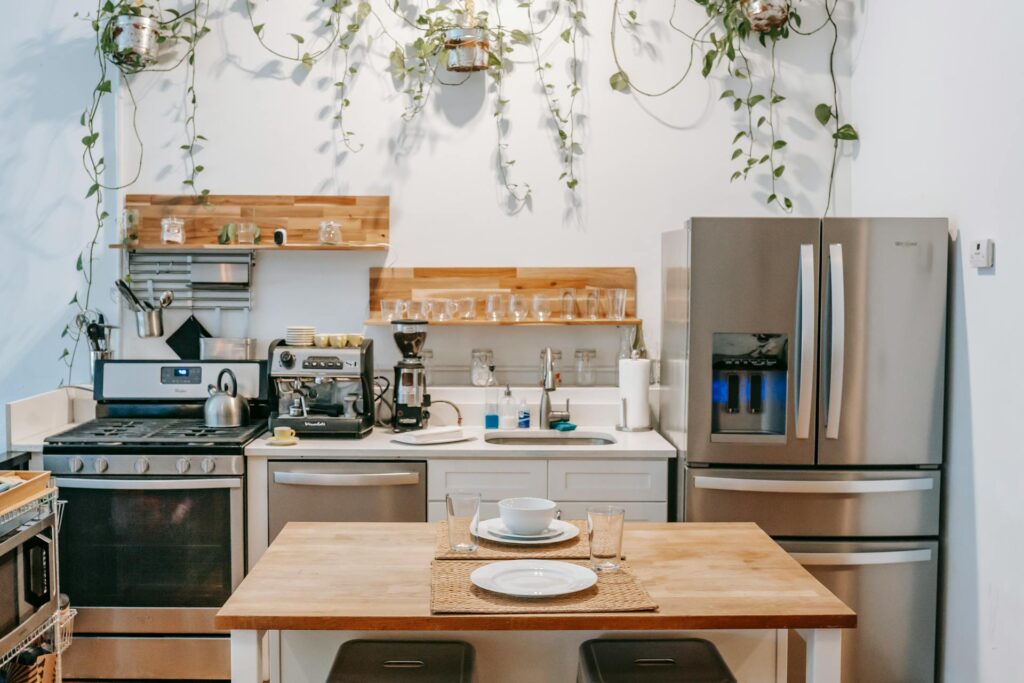
The right appliances depend on the size and positioning of the property, but every short-term rental kitchen should cover the basics.
Core appliances:
- full-size refrigerator and freezer where space allows
- stove and oven
- overhead exhaust or rangehood
- microwave
- toaster
- electric kettle
- coffee machine or coffee-making option
- kitchen bin
A hotel-style bar fridge is rarely enough for a full apartment or house. Guests booking family accommodation, corporate stays or longer stays often arrive with groceries. A decent fridge helps the property function as a real home, and for some owners this is also one of the points where a property starts to behave more like accommodation than a rental, which we cover in our short-term vs long-term rental guide.
A coffee pod machine is usually a strong guest experience upgrade. Choose a system with pods that are easy to buy in Australian supermarkets, so guests can restock if needed. If the machine uses a less common pod, leave clear instructions and a small starter supply. Decisions like this also shape how the listing is priced, which we discuss in our guide to Airbnb pricing strategies.
Useful optional upgrades include:
- dishwasher
- rice cooker
- blender
- handheld mixer
- air fryer oven
- garlic press
For Perth short-term rentals that attract families or longer-stay guests, a dishwasher is a worthwhile upgrade where the property layout allows it. It helps guests keep the kitchen tidy and can reduce the number of dirty dishes left for cleaners.
Dining, Glassware and Serving Items
Dining items should be matching, durable and easy to replace. This does not mean they need to be expensive. It means they should look deliberate.
Provide:
- dinner plates
- side plates
- cereal or pasta bowls
- coffee mugs
- espresso cups if you provide a pod machine
- water glasses
- wine glasses
- champagne glasses if the property suits couples or premium stays
- forks, knives, tablespoons and teaspoons
- steak knives
- serving bowls
- platters or serving boards
If the property caters for families, include a small set of children’s plastic crockery, cups and cutlery. This is a practical touch that parents notice.
Avoid chipped plates, cloudy glasses and random leftovers from different sets. These details affect how guests perceive the property. Matching crockery and glassware is also part of strong Airbnb property styling, because the kitchen appears in listing photos and shapes the overall impression.
Cleaning Supplies and Consumables
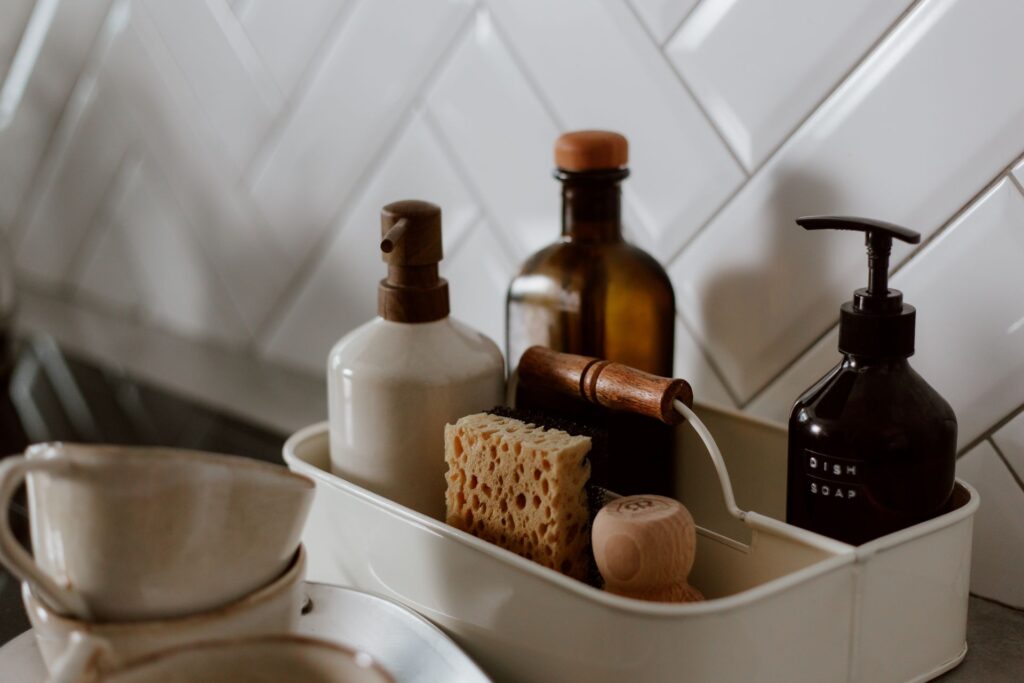
Guests should be able to clean up after themselves without hunting through cupboards or buying basic items for a short stay.
Provide:
- dishwashing liquid
- sponge or dish brush
- dishwasher tablets or powder if there is a dishwasher
- paper towels
- tea towels
- oven mitts
- spray cleaner
- bin bags
- aluminium foil
- cling film
- baking paper
- kitchen bin liners
Oven mitts are not optional. They are a basic safety item. Tea towels should be clean, stain-free and replaced regularly.
Keep cleaning supplies easy to find but separate from food. The WA Department of Health’s food safety toolkit sets out cleaning, sanitising and food-handling practices for food businesses in Western Australia. Even where a short-term rental is not operating as a food business, the underlying principles of keeping cleaning chemicals and food preparation areas separate, washing and sanitising surfaces between uses, and preventing cross-contamination are sensible standards to follow for guest safety and presentation.
Pantry Staples: What to Provide and What to Avoid
Basic pantry items can make a stay feel more generous, especially for guests arriving late or staying only a few nights.
Good basics include:
- salt
- pepper
- cooking oil
- tea
- coffee pods or instant coffee
- sugar
- long-life milk or individual creamers
Pantry staples can also include flour, pasta or rice, but only if they are stored properly. The trick is to keep anything you provide in sealed, clean, labelled containers. Guests may complain about open food packets left in cupboards, particularly if they look old, unlabelled or exposed.
Do not keep random food left behind by previous guests. It creates uncertainty and can make the kitchen feel unmanaged. If you provide shared pantry items, check them during cleaning turnovers and replace anything that is expired, damaged or untidy.
For shorter stays, individual portions often work best. They are cleaner, easier to monitor and less likely to create concerns about freshness.
Safety and Maintenance Details Hosts Often Miss
The kitchen is also where small maintenance issues become guest complaints. Check appliances, drawers, cupboards and supplies regularly.
Before each stay, confirm:
- the fridge is clean and cold
- the freezer is clear of old food
- the toaster crumb tray is clean
- the coffee machine has been emptied and wiped
- the kettle is clean and working
- pans are not scratched beyond use
- knives are sharp and safe
- the bin is clean and lined
- dishwasher filters are checked
- there are enough bin bags and dishwasher tablets
Avoid sandwich presses unless your cleaning process specifically checks them. Guests often put them away at the back of a cupboard without cleaning them properly, which creates problems for the next stay.
It is also worth leaving a spare light globe and spare batteries in a labelled drawer. If a remote battery or light bulb fails during a stay, the guest can fix the issue quickly without needing urgent help. If you provide products with button or coin batteries, check that battery compartments are secure. The ACCC Product Safety guidance notes that consumer goods containing button or coin batteries must have secure battery compartments.
Extra Kitchen Touches That Improve Guest Experience
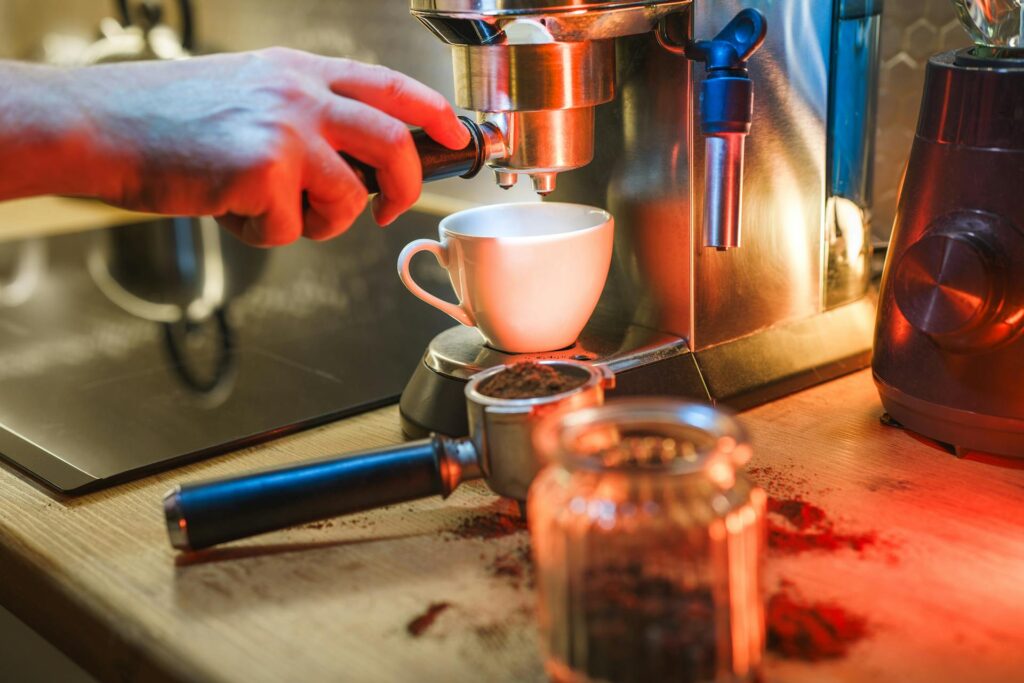
Small details can protect the property and make the kitchen easier to use.
Useful additions include:
- coasters for dining tables and coffee tables
- cork mats or trivets near the stove
- labelled containers for tea, coffee and sugar
- storage containers for leftovers
- a simple coffee station
- a visible place for dishwashing items
- a clear drawer for spare batteries and light globes
- a small step stool if the property is family-friendly and safe for children
These additions are inexpensive, but they help guests feel the property has been thought through. They also help protect benchtops, tables and cookware from avoidable wear.
For higher-value properties, or properties aiming for premium family stays, kitchen quality should be considered alongside broader furnishing, photography and listing strategy. Examples of how a well-equipped kitchen sits within a full family setup can be seen at the Wattle Grove 5-acre family retreat and the 3-bedroom Bishops Escape in East Perth.
Final Airbnb Kitchen Essentials Checklist
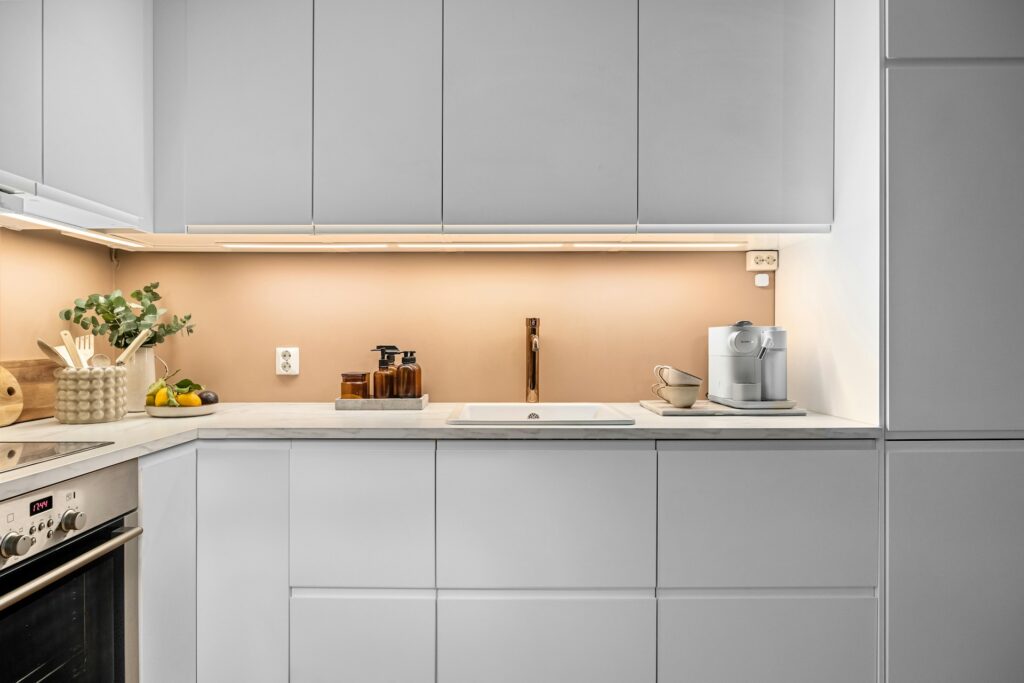
Use this checklist before photography, launch, seasonal review or handover to a property manager.
- Stock cookware in good condition.
- Provide at least two frying pans and two to three saucepans.
- Include a sharp chef’s knife, chopping boards and prep tools.
- Match plates, bowls, glasses, mugs and cutlery to guest capacity.
- Stock at least 1.5x guest capacity for everyday dining items.
- Provide a coffee machine or coffee-making option.
- Supply tea, coffee, sugar, salt, pepper and cooking oil.
- Keep pantry items sealed, labelled and within date.
- Provide dishwashing liquid, sponges, bin bags and paper towels.
- Include dishwasher tablets if there is a dishwasher.
- Add tea towels and oven mitts.
- Check the toaster, kettle, microwave and coffee machine between stays.
- Remove old food left by previous guests.
- Replace chipped, cracked or mismatched items.
- Leave spare batteries and a light globe in a labelled drawer.
When Professional Setup and Management Makes Sense
Setting up a short-term rental kitchen is only one part of preparing a property for guests. The kitchen also needs to be checked, restocked, cleaned and maintained between every booking. That becomes harder when the owner is busy, travelling or managing the property from another location.
Professional short-term rental management can help with the details that affect guest experience: kitchen setup, linen, styling, listing accuracy, cleaning standards, maintenance, pricing and guest communication. These are the operational challenges many owners underestimate, which we cover in our article on short-term rental property management challenges.
If you are preparing a Perth property for Airbnb, Booking.com, Stayz or direct bookings, kitchen setup also sits alongside platform-by-platform decisions about presentation, pricing and net return, which we cover in our breakdown of Airbnb, Booking.com and Stayz fees in Australia. Sepal Stays can help set up, style, list and manage the property through a complete short-term rental management service.
Frequently Asked Questions
What should I stock in an Airbnb kitchen?
An Airbnb kitchen should include cookware, knives, chopping boards, cooking utensils, plates, bowls, mugs, glasses, cutlery, a kettle, toaster, microwave, coffee-making option, cleaning supplies and basic pantry items such as salt, pepper, oil, tea and coffee.
How many plates and glasses should a short-term rental have?
A good rule is to stock at least 1.5 times the maximum guest capacity. If the property sleeps six, provide at least nine plates, bowls, mugs, glasses and cutlery sets. Larger homes should also include extra serving bowls and platters.
Should Airbnb hosts provide pantry staples?
Yes, basic pantry staples can improve the guest experience, especially for short stays and late arrivals. Stick to simple items such as salt, pepper, cooking oil, tea, coffee and sugar. Keep shared pantry items sealed, labelled and checked between stays.
What kitchen appliances do guests expect in a short-term rental?
Most guests expect a fridge, freezer, stove, oven, microwave, toaster, kettle and coffee-making option. A dishwasher, rice cooker, blender or air fryer can be useful upgrades, depending on the property size and guest market.
Should I provide a coffee machine in an Airbnb?
A coffee machine is a strong guest experience upgrade, particularly for city apartments, family homes and premium stays. Choose a pod system that is easy to buy in Australian supermarkets and leave a small starter supply for guests.
What kitchen items should Airbnb hosts avoid?
Avoid fragile cookware, expensive specialty appliances, scratched non-stick pans, chipped dinnerware, open food packets and hard-to-clean items. Sandwich presses can also create cleaning issues unless they are checked carefully between every stay.